Previous
Next



FIRST MILLS ON LJUTA
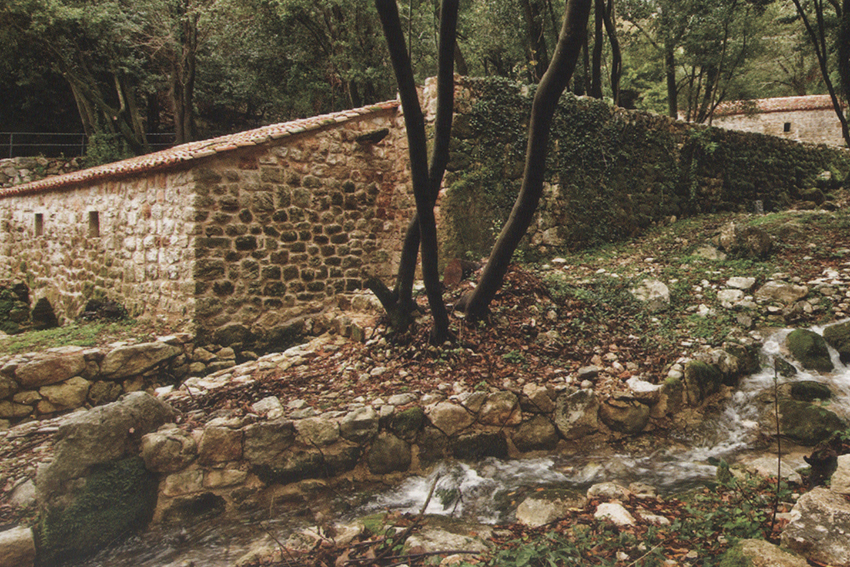
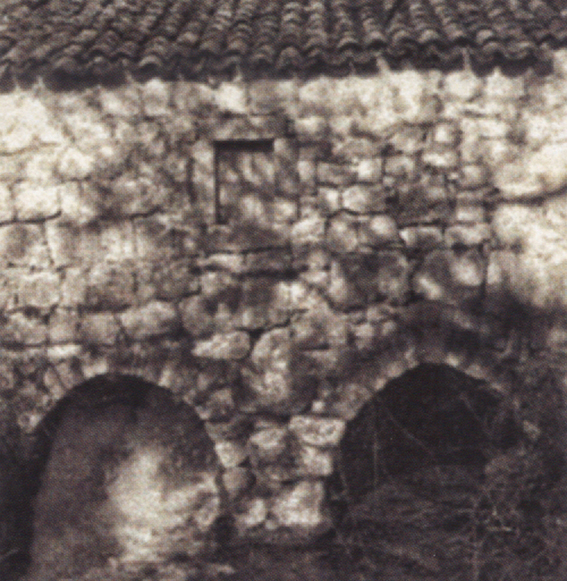
Until the 16th Century, mills, as well as houses, were made of wood, but the government of Dubrovnik encouraged the construction of houses using the dry stone technique. It is, therefore, assumed that houses and mills started to be replaced with stone work in the 16th Century.
Although a two-mill house in Ljuta was in existance back in 1496, the houses initially consisted of only one room with one mill.
Later, wealthy millers started expanding their mills by adding eaves for unloading of wheat and loading of flour. Due to the configuration of the ground, some mills could not expand, so the mills on the River Ljuta consist of four major types: houses with one mill, houses "without" and "with" eaves, and houses with two mills "without" and "with" eaves for the working animals.
At the beginning of the 19th Century, all mills had a gable roof covered with roof-tiles or stone slabs (which can be seen today at Taraš’ mill). Later, by the beginning of the 20th Century, most of the mills were built with one-sided roofs, allowing for the building of an annex on the northern side.
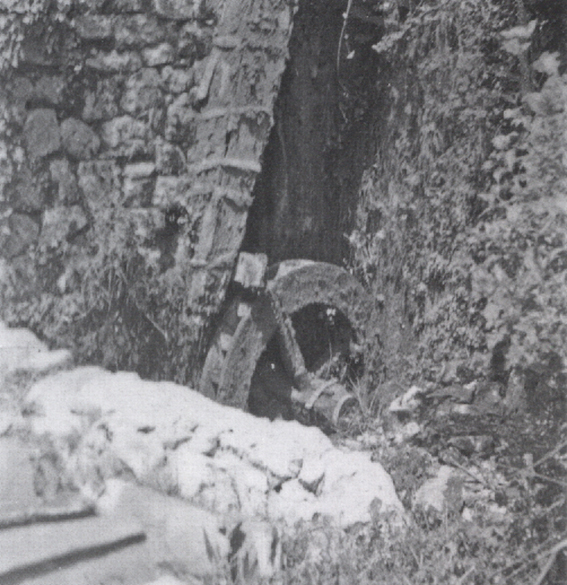
Quite interesting is a record by Vitelleschi from 1827 stating that the Dubrovnk mills "are still characterized by a primitive construction with a properler mounted on the paddles. They require a strong waterfall and consume a lot of water. Only mills on the Ombla River have a mill-wheel placed perpendicularly on the paddles, the source being low."
Regardless of how right Vitelleschi was, the mills on Ljuta have kept the horizontally set propellers up to the present day.